


Hydraulic Pump vs. Hydraulic Motor: Key Differences
Many machines, such as industrial equipment, construction vehicles, and mobile tools, use hydraulic systems. The hydraulic motor and the hydraulic pump are two vital components of them. The two are often confused with each other, but they actually do very different work.
Many people would tend to ask how a hydraulic pump differs from a hydraulic motor, the way each of them functions, and which of them should be used according to their needs. Being aware of such differences will help to avoid issues, maintain the proper functioning of machines, and eliminate avoidable failures.
Hydraulic Pump vs. Hydraulic Motor: Understand the Basics
Here are the basics you need to know
Hydraulic Pump
A hydraulic pump is a device that changes mechanical energy into hydraulic energy. It takes power from something like an electric motor or engine and uses it to push hydraulic fluid through the system. The pump creates flow, which means it moves the fluid. Pressure happens only when the fluid meets resistance inside the system. Without the pump, the fluid would not move, and the system would not work.
![Hydraulic Pump vs. Hydraulic Motor: Key Differences 1]()
Hydraulic Motor
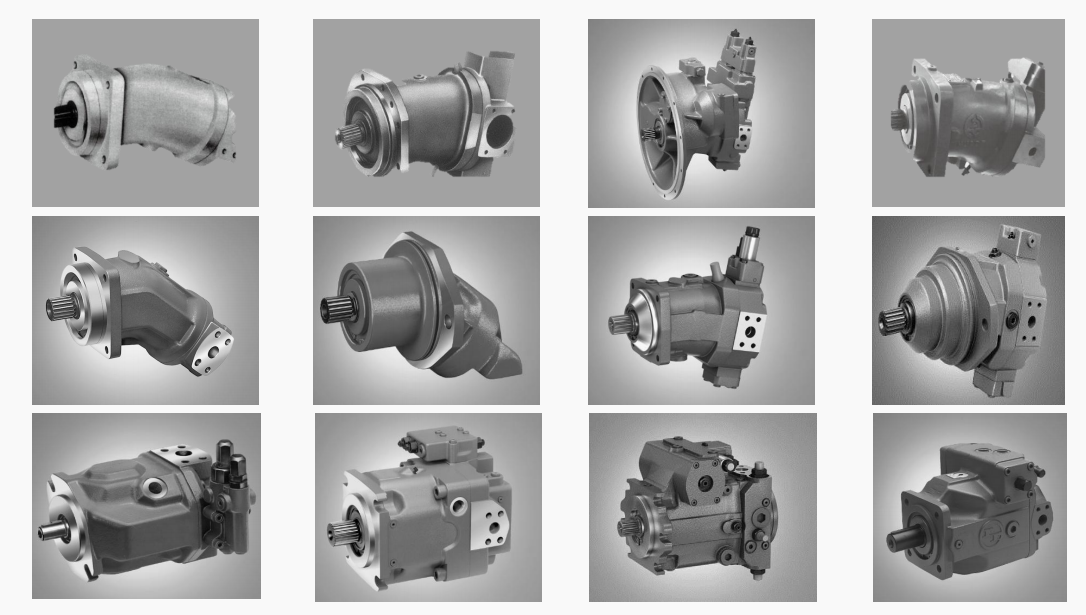
A hydraulic motor operates in the opposite manner of a pump. It changes hydraulic energy back into mechanical energy. When pressurized fluid flows into the motor, it makes parts inside spin or move. It helps in creating torque and motion.
Hydraulic motors are used to power various mechanisms, including wheels, conveyors, winches, and other machines. How fast and strong they turn depends on the fluid flow and pressure coming from the pump.

How do a Hydraulic Pump and a hydraulic motor work?
A hydraulic pump works by creating a vacuum at its inlet, which pulls fluid from the reservoir into the pump. Then, as the internal parts of the pump spin or move, they push the fluid out through the outlet and create a steady flow. The amount of fluid moved each time is called displacement.
Some pumps always move the same amount of fluid. On the other hand, others can change how much fluid they move depending on what is needed.
A hydraulic motor gets pressurized fluid from the system and uses it to create motion, either spinning or moving in a straight line. The fluid pushes against parts inside the motor, like gears or pistons. This is making them turn or move. After that, the fluid leaves the motor and goes back to the reservoir. How much pressure the motor needs depends on the resistance from the load it is driving. The harder the load, the more pressure is required.
What Are Common Types of Hydraulic Pumps?
Here are the common types you need to know about.
Gear Pumps
Gear pumps use two gears that mesh together to move fluid. They are simple and tough, making them popular in basic hydraulic systems. Their small size and low cost make them a good choice when space and budget matter.
Vane Pumps
Vane pumps have sliding vanes inside a spinning rotor. They give a smoother flow than gear pumps and are often used in factories or industrial machines. These pumps run quietly and provide a steady flow.
Piston Pumps
Piston pumps have pistons arranged inside a cylinder. They can handle high pressure and can adjust how much fluid they move. This makes them great for systems that need precise control and can change load conditions.
What Are Common Types of Hydraulic Motors?
You can have a look at these options.
Gear Motors
Gear motors look like gear pumps but are made to handle motor loads. They work well in low to medium pressure settings. These motors are simple and reliable.
Vane Motors
Vane motors run smoothly and are used where a steady speed is needed. They are common in machines that need quiet and controlled rotation.
Piston Motors
Piston motors provide strong torque and work efficiently. They are used in heavy equipment and mobile machines. They are perfect for tough jobs.
What Are the Key Differences Between a Hydraulic Pump and a Hydraulic Motor?
The biggest difference is what they do. A hydraulic pump creates flow by pushing fluid through the system, while a hydraulic motor uses that flow to make something move. In simple terms, the pump gives energy to the system, and the motor uses that energy to work. Even though they might look alike, pumps and motors work in opposite ways inside a hydraulic system.
Can a Hydraulic Pump and Motor Look the Same?
Sometimes, hydraulic pumps and motors can look very similar, especially gear-type ones. But inside, they’re built differently to do their own jobs. Motors are made to handle pressure on both sides, while pumps are built mainly to pull fluid in on one side and push it out on the other. Using a pump as a motor, or vice versa, without the right design can cause damage to your system.
Do Hydraulic Pumps and Motors Handle Pressure Differently?
On the other hand, hydraulic motors are built to work under pressure continuously. They have stronger seals and bearings inside to handle the forces from the load they drive.
In simple terms, the pump controls how much fluid flows, which affects how fast the motor spins. The motor uses that flow to turn or move something, and the pressure it feels helps it produce torque. When the flow increases, the motor spins faster.
When the pressure goes up, the motor produces more torque. The pump and motor need to be matched correctly to handle the right flow and pressure levels for the system to work well.
Where Are Hydraulic Pumps Commonly Used?
Hydraulic pumps are found in nearly every hydraulic system. They create the flow needed to move fluid through pipes, hoses, and valves. The pump sets the base for how well the whole system works and responds.
Common uses include:
- Hydraulic power units: These units depend on pumps to provide a steady flow to many hydraulic parts. A reliable pump is important for the system to run without stopping.
- Construction equipment: Pumps power machines like excavators, loaders, and cranes by sending fluid to cylinders and motors. They need to be strong enough for tough jobs and heavy loads.
- Agricultural machinery: Tractors and harvesters use pumps for lifting, steering, and driving. A steady pump flow helps keep these machines running smoothly.
- Industrial presses: Pumps supply high-pressure fluid for pressing and shaping materials. A steady flow helps control the force applied accurately.
- Manufacturing systems: Pumps drive machines that automate work, move materials, and produce goods. Choosing the right pump helps keep things efficient and running without breaks.
Hydraulic pumps are the starting point for creating hydraulic power. How well they work affects the system’s speed, efficiency, and how long parts last.
Where Are Hydraulic Motors Commonly Used?
Hydraulic motors are used when rotary or straight-line motion is needed. They turn pressurized fluid into mechanical movement to power machines. The motor you pick depends on how fast, strong, or heavy the load is.
Common uses include:
- Conveyor systems: Motors control smooth movement to carry materials. A steady motor helps prevent damage or jams.
- Wheel drives: Motors power wheels and tracks on mobile machines. They provide the strong force needed to move heavy loads.
- Winches and hoists: Motors handle lifting and lowering loads safely. Reliable torque is important for safe operation.
- Mixers and crushers: Motors keep materials turning for mixing or crushing. Consistent speed supports even results.
- Mobile equipment drives: Motors power drilling rigs, sweepers, and other compact machines. They offer flexible and space-saving drive options.
The hydraulic motors transform hydraulic power into useful motion. The way a system performs, in response to motion and load, is determined by its performance.
Understand the Difference Between Hydraulic Pump and Hydraulic Motor
The main difference between a hydraulic pump and a hydraulic motor is what they do in the system. A hydraulic pump creates the flow of fluid, while a hydraulic motor uses that flow to produce motion. Even though they might look alike and share similar parts, their jobs, how they handle pressure, and where they are used are quite different.

 Public Mailbox: info@changjia.com
Contact us