


Gear Pump vs. Piston Pump: Which One Should You Use?
The selection of an appropriate hydraulic pump may have a significant impact on the efficiency of the system, its reliability, and the costs of operation. Gear pumps and piston pumps are among the most widespread types that stand out for very different reasons.
Both are important hydraulic parts, though they are tailored to different pressure bends, performance requirements, and uses. Knowing how each works and where either is best helps you to make a wiser, more reliable decision.
A Quick Overview of the Basics of Hydraulic Pumps
To make a direct comparison between gear pumps and piston pumps, it is important to first have an idea of their basic purpose. Hydraulic energy is produced by using mechanical energy to shift fluid using hydraulic pumps.
The way they produce flow, manage pressure, and respond to changes in loads is the determinant of their best performance.
What Is a Gear Pump?
A gear pump is a type of positive displacement pump that transfers hydraulic fluid by using meshing gears. With each rotation of the gears, fluid between the gears and the housing is pinned and pumped between the gears and the housing to the outlet.
Gear pumps are known for their easy construction, steady flow, and affordability. They are mostly applicable to systems where operation conditions are predictable, and pressure requirements are moderate.

What Is a Piston Pump?
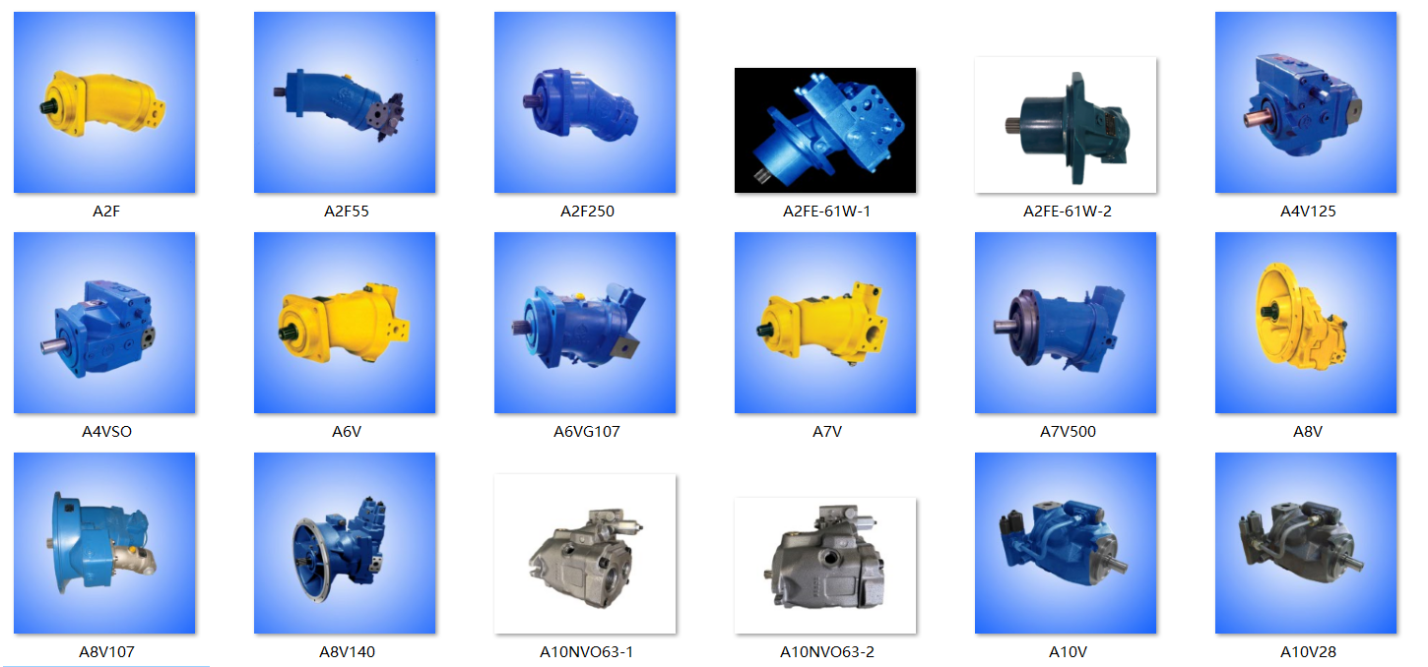
A piston pump uses reciprocating pistons within a cylinder block to transfer fluid. When the pistons are made to advance and recede, they will suck in fluid and force it out under high pressure. Piston pumps may be axial or radial in design, depending on the design.
These pumps have been designed to be very precise and performance-based so that they can suit high-pressure variable-load applications, where performance and control are paramount.
Key Design and Performance Differences
Although the two types of pumps operate on the same basis of transporting hydraulic fluid, internal structures result in significant performance variations that directly affect the behavior of the systems.
Pressure Capability and Load Handling
One of the most significant differences is pressure capacity. Gear pumps will normally be effective in the low to medium pressure range and are thus applicable in situations that do not need extreme force. When pushed beyond their pressure limits, wear increases quickly.
Piston pumps, on the other hand, are advantageous in high-pressure environments. They achieve steady operation even with heavy loads, hence their use in machines in industries, construction, and even in aerospace systems.
Flow Control and Efficiency
Gear pumps do not change the flow rate depending on the speed, which enables them to be reliable yet not so flexible. External valves are necessary to control flow and may decrease the efficiency of the system in general.
Piston pumps also tend to have variable displacement, which is the rate at which the flow automatically varies according to the demands of the system. This results in greater energy efficiency, particularly when the load varies in the system.
Accuracy and Responsiveness
Piston pumps have a significant advantage in applications where close control is needed in motion. They can be accurately regulated in pressure and could respond comparatively quickly to changes in load due to their design.
Gear pumps are better applied to constant, uninterrupted work where accuracy is not so necessary, and stability is crucial.
Durability, Maintenance, and Lifespan
The major considerations that are made when choosing either a gear pump or a piston pump are the maintenance requirements and the service life.
Wear Characteristics and Reliability
Gear pumps do not contain any moving components, thus making them mechanically strong and simple to maintain. Nevertheless, inside their gears, leakage also increases with time, particularly when such gears are under greater pressure.
Less internal friction exists in piston pumps, but they use tighter tolerances. Well kept, they usually have a longer lifetime of use, including in strenuous conditions.
Maintenance Complexity
Gear pumps are easily serviced. They can be easily inspected and repaired cheaply due to their simple design, which is the reason why they are the most suitable when there is a limited maintenance facility.
Piston pumps have more special needs for maintenance. To ensure that pistons, swash plates, and seals are not damaged, it is necessary to use clean hydraulic fluid and perform regular inspections.
Application Suitability: Where Each Pump Performs Best
Choosing the right pump depends largely on where and how it will be used.
Common Applications for Gear Pumps
Gear pumps are widely used in systems where reliability and simplicity matter more than extreme performance. Typical applications include:
- Agricultural machinery
- Material handling equipment
- Automotive hydraulic systems
- Lubrication and cooling circuits
These systems benefit from steady flow and cost-effective operation.
Common Applications for Piston Pumps
Piston pumps excel in high-performance environments where pressure, efficiency, and control are critical. They are commonly found in:
- Construction and earthmoving equipment
- Industrial presses and machine tools
- Injection molding machines
- Aerospace and aviation hydraulic systems
Their ability to adapt to varying loads makes them indispensable in advanced hydraulic applications.
Cost Considerations and System Investment
The price of the budget can be significant in the choice of pumps, though no additional consideration can be made of the initial cost.
Initial Cost vs. Long-Term Value
Gear pumps are much cheaper to acquire and install. They provide good value with minimum investment in the case of systems that are in a steady state of operation.
Piston pumps cost more to install initially, but are more energy efficient and last longer, potentially making the overall cost of ownership less expensive in the long term, particularly in high-demand systems.
Energy Efficiency Impact
Piston pumps usually minimize the energy used in a system where the load varies or is continuous, and the output is based on the real need. Gear pumps can be energy wasters in terms of unnecessary flow and heat dissipation, especially with large ones.
How to Choose the Right Pump for Your System?
Making the correct decision requires matching pump capabilities with real-world operating needs.
Consider Your Operating Pressure and Load
Should your system constantly be under a lot of pressure, or should there be a significant volume of variation in loads, then a piston pump is a much safer and effective alternative. When the demand is constant and the pressure is low, then a gearing pump may be appropriate.
Evaluate System Complexity and Control Needs
Piston pumps are important in systems that need high accuracy and motion control, energy-saving, or automation. Gear pumps are good with simpler systems that have fewer control needs.
Match Maintenance Resources and Budget
In a case of maintaining simplicity and minimal start-up expenses, gear pumps are excellent. When the performance, efficiency, and durability are of long-term significance, the piston pumps are worth the extra cost.
The Smart Way Forward: Choosing the Right Hydraulic Pump
When it comes to the decisions on whether to use a gear pump or a piston pump, there is no question of which one is the best. It is about the appropriate tool for the task. Gear pumps are simple, inexpensive, and very reliable when used in steady and low-pressure applications. The piston pumps provide accurate, strong, and reliable power to high-pressure systems.
Knowing the needs of the system, its working environment, and long-term objectives, you may be sure that you are choosing a pump that will provide the best performance. It will reduce downtime and contribute to the sustainable hydraulic functioning of the system for at least a few decades.

 Public Mailbox: info@changjia.com
Contact us